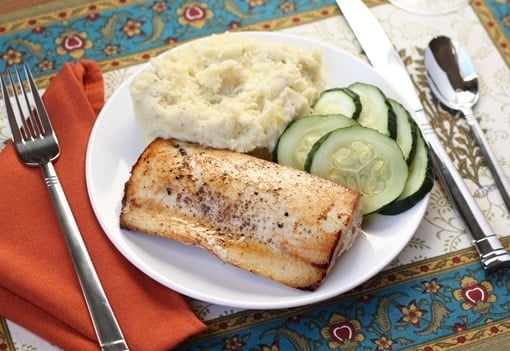
Ono vs. Tilapia: Which Fish Pairs Best with Balsamic Sauce?
Few culinary combinations strike the perfect balance between tangy, savory, and slightly sweet quite like a rich balsamic butter sauce. This versatile condiment has a magical way of elevating simple dishes into gourmet experiences, and fish is no exception. But when it comes to selecting the ideal aquatic companion for this luscious sauce, a common dilemma arises: should you opt for the robust texture of Ono (Wahoo) or the delicate flakiness of Tilapia? The answer isn't as straightforward as you might think, and truly understanding their unique characteristics will help you decide which fish will result in the ultimate Crafting Sauteed Ono or Tilapia with Irresistible Balsamic Butter dish.
For many, a meal featuring a phenomenal sauce often means the sauce is the star – a truth keenly felt when enjoying a generous drizzle of balsamic butter over virtually everything on the plate. Our exploration into which fish best complements this irresistible sauce will delve into the nuances of both Ono and Tilapia, guiding you toward a truly sublime dining experience where the sauteed ono or tilapia with balsamic shines.
Understanding the Contenders: Ono and Tilapia
Before we pit these two popular fish against each other, let's get acquainted with their individual culinary profiles:
Ono (Wahoo)
Ono, meaning "delicious" in Hawaiian, certainly lives up to its name. Also known as Wahoo, this fish is highly prized for its firm, white, and exceptionally flaky flesh. It boasts a mild, slightly sweet flavor that is clean and never "fishy." When cooked, Ono maintains its structure beautifully, offering a satisfyingly meaty texture that can stand up to a variety of cooking methods and bold flavors. Its density means it requires a slightly longer cooking time compared to more delicate fish, typically around 4 minutes per side when sautéed to achieve a golden-brown exterior and tender interior.
Tilapia
Tilapia, a freshwater white fish, is renowned for its incredibly mild flavor and lean, white, and tender flesh. It's often described as a culinary "blank canvas" due to its ability to absorb the flavors of the ingredients it's cooked with. The texture of cooked Tilapia is delicate and flakes apart easily, making it a favorite for those who prefer a lighter, less "fishy" fish. Its delicate nature also means it cooks very quickly, generally requiring only about 2 minutes per side when sautéed. Care must be taken not to overcook Tilapia, as it can quickly dry out and lose its appealing tenderness.
The Allure of Balsamic Butter Sauce
Let's not forget the star player in this culinary debate: the balsamic butter sauce. This isn't just any sauce; it's a rich, tangy, sweet, and savory symphony of flavors. Crafted from melted butter, fragrant minced garlic, premium balsamic vinegar, and a touch of honey, it creates an umami-rich glaze that transforms any dish. The acidity of the balsamic vinegar cuts through the richness of the butter, while the honey adds a subtle sweetness, resulting in a perfectly balanced sauce that clings beautifully to the fish.
Indeed, as the reference context suggests, this meal often becomes "all about the sauce." Its compelling flavor profile is potent enough to elevate even the simplest ingredients, making it a perfect partner for both robust and delicate proteins. For an in-depth look at crafting this culinary masterpiece, check out The Secret to Perfect Fish: Our Amazing Balsamic Butter Sauce.
The Great Debate: Ono or Tilapia with Balsamic?
Now, for the main event: which fish truly sings when coated in that glorious balsamic butter sauce? The answer largely depends on your desired culinary experience.
Why Tilapia Might Be Better with Balsamic
The original recipe for this dish often calls for tilapia, and there's a compelling reason why some chefs and home cooks lean this way. As one of our sources notes, "a more delicate fish might have been even more perfect with that amazing sauce." Here's why:
- Sauce as the Star: Tilapia's exceptionally mild flavor means it readily takes a backseat, allowing the complex notes of the balsamic butter sauce to dominate completely. If you want the sauce to be the undisputed hero of your plate, Tilapia ensures it's front and center.
- Textural Contrast: The tender, almost melt-in-your-mouth flakiness of sautéed Tilapia creates a beautiful textural contrast with the rich, slightly viscous balsamic sauce. Each bite offers a satisfying interplay between the soft fish and the clingy, flavorful glaze.
- Lighter Feel: For those seeking a lighter, more ethereal dining experience, Tilapia delivers. It feels less substantial, making the entire dish feel elegant and refined.
When you choose Tilapia for your sauteed ono or tilapia with balsamic, you are intentionally highlighting the incredible depth of the sauce, letting its sweet and tangy profile truly shine.
Why Ono Also Shines with Balsamic
Despite the strong case for Tilapia, Ono offers a different, equally delicious experience. As one diner enthusiastically declared, "it was perfect as is" with Ono. Here's why Ono holds its own:
- Robust Flavor Interaction: While still mild, Ono possesses a slightly more pronounced flavor and a firmer texture than Tilapia. This allows it to stand up to the boldness of the balsamic butter sauce without being completely overshadowed. Instead, it creates a harmonious balance where the fish and sauce complement each other equally.
- Satisfying Texture: The meaty, firm texture of Ono offers a more substantial bite. For those who prefer their fish to have a bit more "chew" and presence on the plate, Ono is an excellent choice. It won't disappear under the sauce; rather, it provides a solid foundation.
- Heartier Meal: If you're looking for a dish that feels a bit more robust and filling, Ono is the way to go. Its density makes the meal feel more substantial and satisfying without being heavy.
Choosing Ono for your sauteed ono or tilapia with balsamic means embracing a balanced interplay where the inherent deliciousness of the fish melds seamlessly with the vibrant sauce, creating a richer, more profound flavor experience.
Mastering the Sauté: Tips for Both Fish
Regardless of your choice between Ono and Tilapia, perfect sautéing is crucial for a truly remarkable dish. Here are some essential tips:
- Pat Dry, Always: This is perhaps the most critical step. Use paper towels to thoroughly pat your fish fillets dry before seasoning. Excess moisture prevents a beautiful, crispy golden crust from forming.
- Season Generously: A good sprinkle of kosher salt and fresh cracked pepper on both sides is essential to bring out the fish's natural flavors.
- Hot Skillet, Right Oil: Heat a large skillet over medium-high heat with a light-flavor olive oil (or another oil with a high smoke point). The oil should be shimmering but not smoking before you add the fish.
- Don't Overcrowd: Cook fish in batches if necessary. Overcrowding the pan lowers the temperature and steams the fish instead of searing it, resulting in a less desirable texture.
- Timing is Everything:
- For Ono: Sauté for approximately 4 minutes per side, or until golden brown and cooked through. The flesh should be opaque and flake easily with a fork.
- For Tilapia: Sauté for about 2 minutes per side. Tilapia cooks quickly, so keep a close eye on it to prevent overcooking, which can make it dry.
- Gentle Handling: Use a thin, wide spatula to carefully flip the fish to avoid breaking the fillets, especially with delicate Tilapia.
Once your fish is perfectly sautéed, the final flourish involves drizzling it generously with the warm balsamic butter sauce right before serving. For a complete guide to preparing this exquisite meal, including detailed steps for both fish and sauce, explore our article on Crafting Sauteed Ono or Tilapia with Irresistible Balsamic Butter.
Elevating Your Balsamic Fish Experience
Beyond the primary cooking, a few additional touches can truly make your sauteed ono or tilapia with balsamic a memorable meal:
- Garnish with Fresh Herbs: A sprinkle of chopped fresh parsley, chives, or thyme adds a burst of color and a fresh aromatic note that complements the rich sauce.
- A Squeeze of Lemon: A small squeeze of fresh lemon juice over the finished dish can brighten the flavors and add another layer of acidity, if desired.
- Perfect Pairings: Serve your balsamic fish with simple sides that won't compete with the main flavors. Steamed asparagus, roasted broccoli, a bed of fluffy white rice, quinoa, or even creamy mashed potatoes are excellent choices.
- Leftovers: If you happen to have any leftovers, store them in an airtight container in the refrigerator for up to 2 days. Reheat gently in a skillet over low heat to preserve the fish's delicate texture and flavor.
Conclusion
Ultimately, the choice between Ono and Tilapia for your balsamic-infused fish dish boils down to personal preference and what you wish to emphasize. If your heart is set on the sauce being the star, with a tender, mild canvas, then Tilapia is your perfect match. If you crave a more substantial meal where the fish stands shoulder-to-shoulder with the vibrant sauce, offering a satisfying, meaty bite, then Ono will undoubtedly deliver. Both options result in a truly delightful and impressive meal when executed correctly. So, the next time you're planning a dish featuring the incredible balsamic butter sauce, confidently choose the fish that best suits your palate, and prepare for an unforgettable culinary experience with your perfectly prepared sauteed ono or tilapia with balsamic.
